
Financial Inclusion Is More Than Just a Bank Account


The Illusion of Inclusion: Why Having a Bank Account Is Not Enough
Over the past decade, financial inclusion has become a central policy objective for governments, central banks and development organisations around the world. The logic seems straightforward. If people have bank accounts, they can access financial services, save, invest and improve their economic wellbeing.
However, a closer look at financial inclusion efforts, particularly India’s Aadhaar-driven strategy, reveals a critical flaw in this assumption. Having a bank account is only the starting point. Meaningful financial inclusion requires active usage, accessibility and an ecosystem that enables genuine economic participation.
India’s Financial Inclusion Paradox
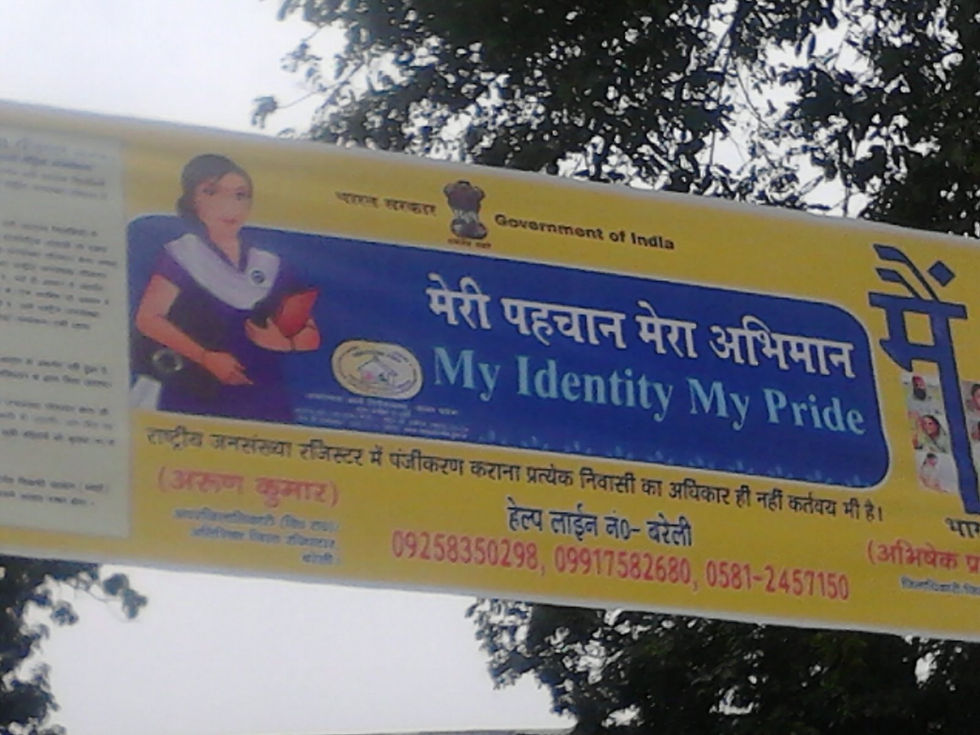
India’s experience between 2011 and 2021 provides a striking example of how rapid growth in bank account ownership does not necessarily translate into active financial participation. According to the report, account ownership increased from 35 percent in 2011 to 78 percent in 2021. This growth was largely driven by government initiatives such as the Pradhan Mantri Jan Dhan Yojana and the use of Aadhaar as an identity tool to streamline account opening.
Yet despite this progress, inactive accounts remained a serious concern. In 2021, 35 percent of bank accounts had not been used in the previous year. This was significantly higher than the median for comparable middle-income countries, where around 7 percent of accounts were inactive. In practical terms, millions of people had accounts but were not using them in ways that improved their financial wellbeing.

Why Account Ownership Does Not Equal Financial Inclusion
1. The Problem of Inactive Accounts
Opening a bank account can be straightforward, particularly when government programmes incentivise it. However, financial inclusion is not about numbers on paper. It is about whether people actively use these accounts to improve their lives.
The report highlights three key usage indicators:
Regular deposits, at least twice a month
Regular withdrawals, at least twice a month
Digital payment transactions
India ranked near the bottom across these indicators. A significant portion of account holders were not meaningfully engaging with the financial system. This demonstrates that account opening alone does not drive financial inclusion.
2. Financial Services Must Be Useful and Accessible
One reason for low usage is that many bank accounts do not offer services that low-income individuals genuinely need. Many newly banked customers operate in predominantly cash-based economies. If banks do not provide effective cash-in and cash-out options, simple digital payment tools or affordable credit, the account becomes little more than a formality.
In many cases, accounts were opened to meet political targets rather than to meet organic demand. Public sector banks, under pressure to meet government mandates, opened millions of accounts without necessarily ensuring they were sustainable or beneficial for customers.
3. Financial Literacy and Trust Gaps
Financial literacy remains a major barrier to usage. Many new account holders lacked the knowledge or confidence to use their accounts effectively. Understanding digital payments, managing savings or accessing credit requires financial awareness that was not sufficiently supported during the rapid expansion phase.
Trust also plays a crucial role. Some low-income individuals have had negative experiences with formal banking, including unclear fees, rigid account structures or poor service. As a result, informal systems such as borrowing from local lenders or saving cash at home often remain preferred options, even when a formal bank account exists.
Digital Payments and the Financial Inclusion Gap
Digital payment adoption is one of the clearest indicators of meaningful financial inclusion. India has made progress through initiatives such as the Unified Payments Interface and Aadhaar-enabled payment systems. However, despite rapid infrastructure development, digital transaction adoption remained relatively low compared to other middle-income countries.
In 2021, only 35 percent of Indian adults with bank accounts reported making or receiving a digital payment in the previous year. This is significant because digital transactions reduce reliance on cash, improve transparency and support better financial planning. However, adoption depends on stable internet access, digital familiarity and trust in technology. These remain challenges, particularly in rural and lower-income communities.
Beyond Account Ownership: What Meaningful Financial Inclusion Looks Like
If opening accounts is not enough, what does real financial inclusion require?
1. Sustainable Business Models for Serving Low-Income Customers
Banks, especially public sector institutions, need to rethink how they serve low-income markets. Rather than focusing on volume-driven targets, financial institutions should develop sustainable models that encourage usage. This includes:
Microcredit and flexible savings products tailored to low-income customers
Partnerships with fintech companies to enable seamless digital solutions
Low-cost, user-friendly financial products
2. Regulatory Reform to Encourage Innovation
India’s regulatory environment has historically limited the role of non-bank institutions in advancing financial inclusion. A more enabling regulatory framework that allows fintech firms, telecommunications providers and other innovators to participate meaningfully could help close the inclusion gap.
In Kenya, for example, mobile money providers such as M-Pesa have transformed financial access. By contrast, India’s regulatory caution slowed the development of non-bank-led financial services, limiting innovation that could have driven account usage.
3. Financial Education and Awareness
Access alone is insufficient. People need to understand how financial services can benefit them. Governments, banks and financial institutions should invest in financial education initiatives that equip account holders to:
Use digital banking services confidently
Save and invest through formal channels
Access credit responsibly and avoid over-indebtedness
4. Strengthening Last-Mile Infrastructure
For digital and branchless banking to succeed, rural and remote communities must have reliable access to financial infrastructure. This includes expanding agent networks, improving mobile connectivity and ensuring digital platforms are stable and easy to use.

Conclusion: Financial Inclusion Must Be Meaningful
India’s financial inclusion drive demonstrates that expanding account ownership alone does not guarantee economic empowerment. While Aadhaar and government schemes significantly increased the number of bank accounts, they did not consistently ensure active usage.
True financial inclusion requires accessible and relevant services, financial literacy, trust in the system and an enabling environment that encourages digital participation. Policymakers and financial institutions must move beyond headline account numbers and focus on meaningful engagement with financial services.
Being financially included is not simply about holding a bank account. It is about using financial services to build resilience, create opportunity and improve long-term economic outcomes. Sustainable, user-centred financial models are essential to bridge the gap between account ownership and genuine financial empowerment.

